

Key Takeaways
• The BNP Paribas GM APAC Conference 2026 underscored fast-shifting global markets and rising inflationary pressure, creating hurdles for businesses, investors and policymakers.
• AI governance and adoption is accelerating but its potential is under-appreciated by many CEOs, according to some speakers. It is essential to use AI wisely, with strong safety and governance guardrails.
• Rising inflation, the ongoing Middle East conflict and growing concerns around AI use mean more volatility in global markets will be unavoidable in the coming months, warned speakers.
Video produced in partnership with Bloomberg Media Studio
Global markets are evolving rapidly. AI governance and adoption are accelerating even as leaders in the space call for a slowdown in adoption, rising inflation in the US has led the Federal Reserve to deliver its first interest rate hike since 2023 and geopolitical tensions show little sign of abating. These were just some of the themes discussed at the BNP Paribas GM APAC Conference 2026 in Hong Kong in September as investors, policy makers, innovators and businesses gathered to discuss how to adeptly navigate one of the most challenging periods in financial markets.
AI governance and adoption takes center stage at GM APAC Conference 2026
AI is clearly revolutionizing the way people and businesses think, act and respond. The fact that AI tools are now capable of self-improvement is only set to change the game further, according to conference speakers, who highlighted that while companies are increasingly embracing AI to boost efficiency and customer experience, improvements in the bottom line have been hard to come by.
This means businesses need to rehaul how they are leveraging AI, they said.
According to one speaker at the GM APAC Conference 2026, corporate transformation needs to start at the top, with CEOs using AI to “superpower” themselves to have a complete view of their business. The idea is that if CEOs are empowered to use AI, and can articulate how it can be useful, employees will follow suit.
Admittedly, broad adoption of AI will be slow, with speakers highlighting the need to understand which AI tools are useful and what their limitations can be.
Equally important, the conference heard, is a bilateral or multilateral consensus on AI governance and adoption and safety, following recent calls by top AI companies in the US to slow down its deployment. Speakers stressed the need to bring China and the US to the table to discuss solutions to effectively govern AI regionally and at the global level.
What should investors watch out for?
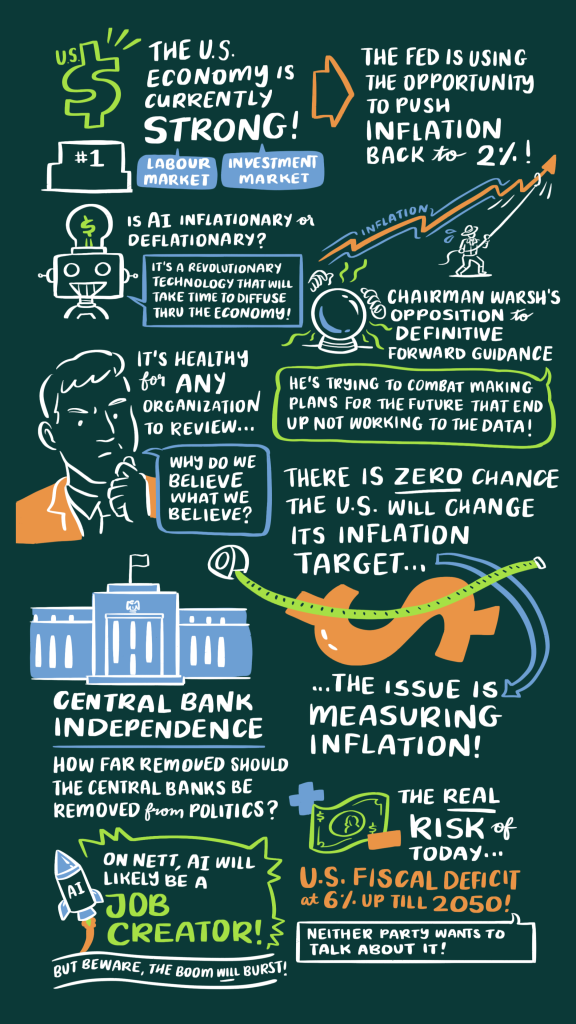
The US Federal Reserve’s latest rate hike of 25bp and what it suggests about inflation, central bank independence and the US economy was a consistent theme across the GM APAC Conference 2026.
Speakers lauded the rate increase, as it showed the Federal Reserve understood the need to quickly contain rising US inflation and bring it to its 2% target. It also quelled concerns about the central bank’s independence given previous calls from the government to keep rates low to propel the economy, speakers said, adding the decision showed the Fed’s willingness to remove some of the froth in the economy, even with US elections looming, laying the groundwork for another potential rate hike at the end of 2026.
It helps that the US economy is broadly strong. The labor market has been solid and disposable income levels have risen, allowing the Fed to shift its focus to fighting inflation.
Experts noted the road ahead may be choppy on other fronts, however.
The way the US measures inflation has not changed for decades, with some speakers saying it might be time to revisit this issue. Another challenge highlighted: the US’s staggering 6% fiscal deficit, or roughly USD1.78 trillion. This figure looks unlikely to go down over the next couple of years at least, and could lead to investors demanding a higher risk premium for the US, said speakers at the GM APAC Conference 2026.
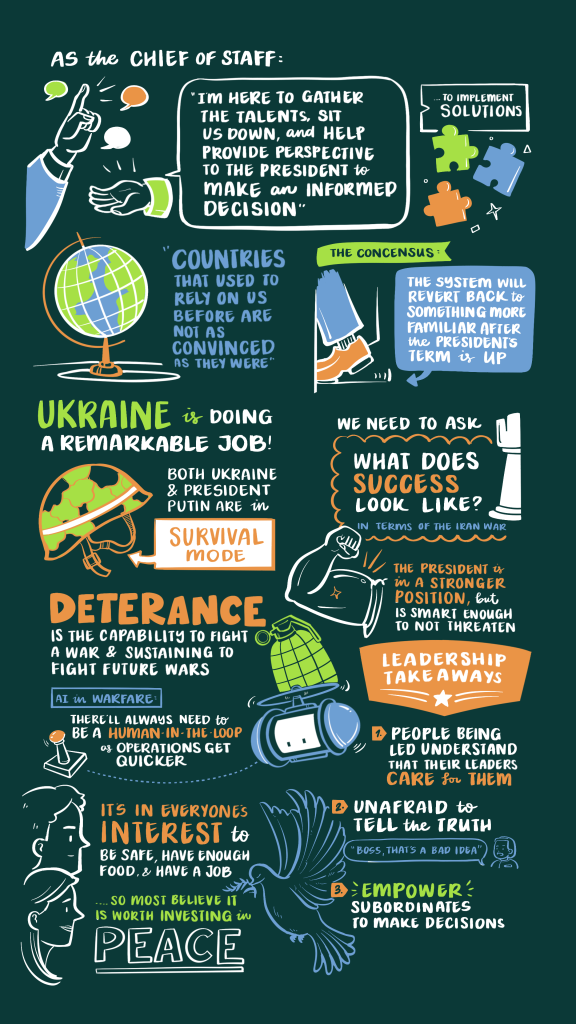
The war in the Middle East also shows no signs of stopping, the audience heard, leading to higher prices for oil and groceries, and a global energy shortage.
When combined with growing concerns around the detrimental impact on people and jobs from AI and data center development, the message among speakers was clear: brace yourself for more volatility and chaos in the coming months, and be equipped to be nimbler and more flexible with your business or portfolio strategy.
Private credit opportunities show promise – and more transparency
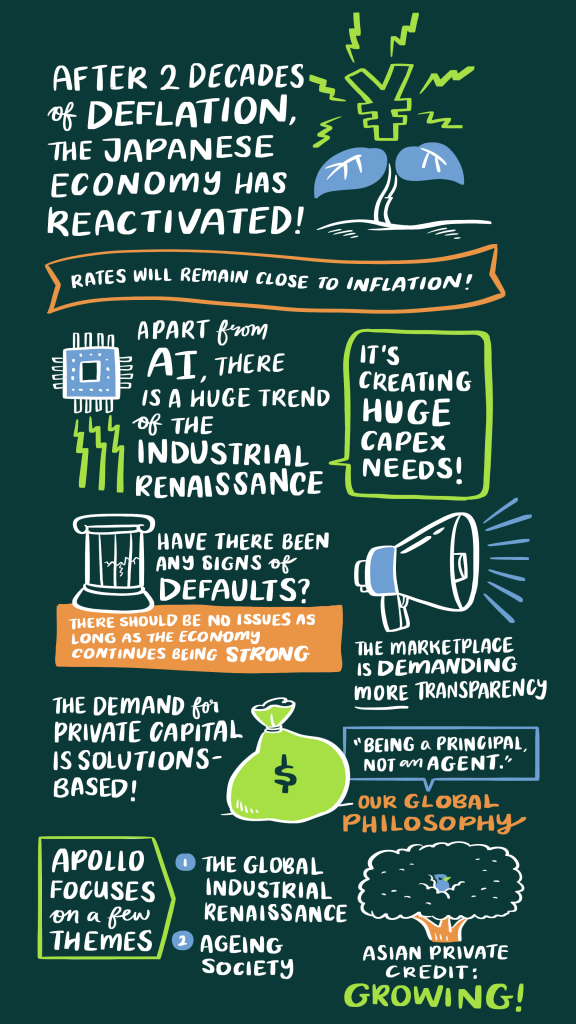
Speakers at the GM APAC Conference 2026 are seeing a rise in investor allocation to private credit amid attractive returns, and as the traditional 60/40 equity/fixed income portfolio model continues to evolve. Global and Asian borrowers are also embracing private credit as it is flexible and can be tailored to their unique needs.
Infrastructure and defense industries are seeing some of the most traction in private credit deals, with both sectors in need of vast amounts of funding, according to speakers, who noted that private capital financiers and bank lenders are finding ways to work together rather than compete as demand rises for hybrid capital across the capital and risk stack.
Importantly, they said, the private credit market is moving towards more transparency as investor demand for clarity grows.
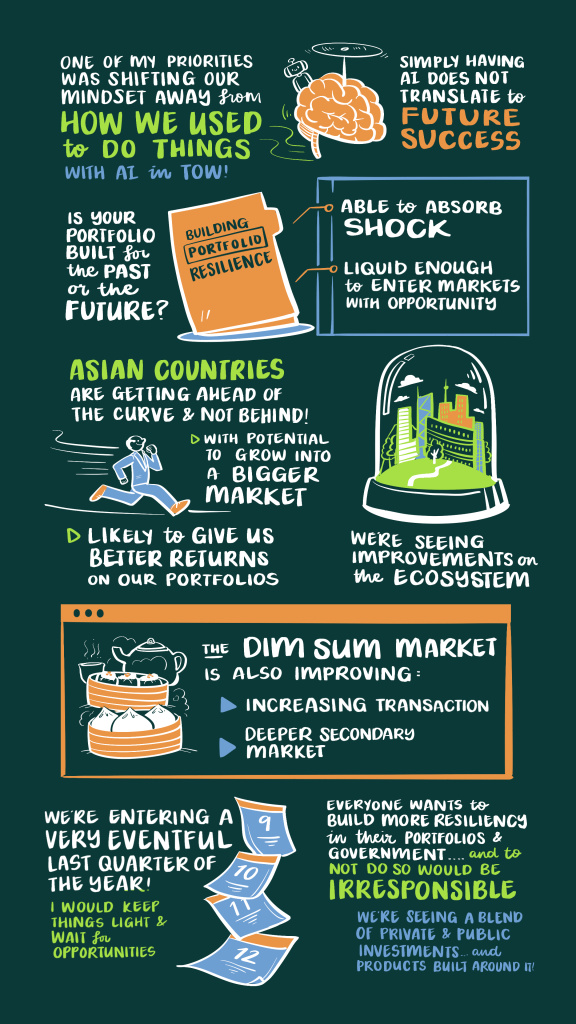
Speakers said investors are focusing more on building a portfolio that’s resilient and future proof, while corporates are strategizing more to better navigate risks around AI, technology and geopolitics.
FAQs
Why is the BNP Paribas GM APAC Conference 2026 important?
The BNP Paribas GM APAC Conference 2026 is a pivotal event for understanding the evolving financial landscape in the Asia-Pacific region and beyond. It provides a platform for in-depth discussions on emerging and macro themes driving markets now and into the future. The conference equips institutional investors, corporate leaders and policymakers with actionable insights, fosters strategic networking, and explores emerging opportunities to navigate uncertainty in global markets.
How long as the Global Markets APAC Conference been running?
The BNP Paribas GM APAC Conference 2026 marks the 4th edition of this flagship event in the Asia-Pacific region. Each year, the conference builds on its reputation as a leading forum for market intelligence, innovation and collaboration, reinforcing its role within BNP Paribas’ global series of conferences in New York, London and Hong Kong.
How does the BNP Paribas GM APAC Conference 2026 fit into the global conference series?
The GM APAC Conference 2026 is a key event in BNP Paribas’ global conference series, which includes flagship gatherings in New York, London and Hong Kong. Each conference in the series is tailored to its region while addressing overarching global themes such as monetary policy, technological innovation and AI governance and adoption. The APAC edition provides a unique focus on Asia Pacific markets, offering localised insights within a broader international context.

